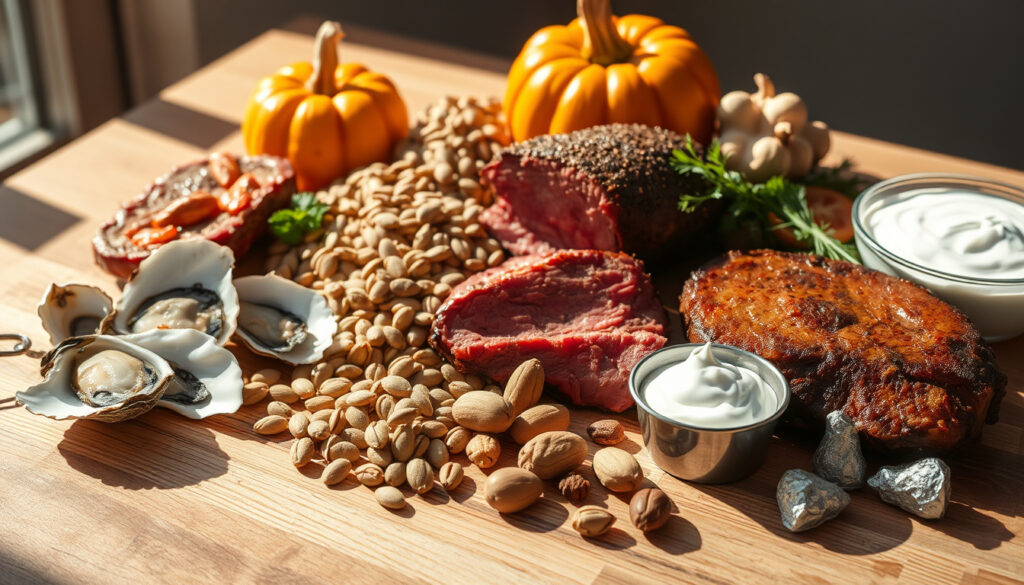
What Does Zinc Do for the Body – Key Functions Benefits Sources
Zinc ranks among the trace minerals the human body cannot produce independently, yet depends on for dozens of critical functions. Present in every cell, this nutrient participates in enzyme reactions, immune defense, wound recovery, and genetic material formation. Scientists have catalogued over 300 enzymes requiring zinc for activation, underscoring its foundational role in human physiology.
Despite its importance, the body stores minimal zinc, making regular dietary intake essential. Deficiencies remain surprisingly widespread globally, affecting roughly 17 percent of the population and contributing to impaired immunity, developmental delays, and increased infection vulnerability. Understanding what zinc accomplishes reveals why maintaining adequate levels deserves attention.
What Are the Primary Functions of Zinc in the Body?
Zinc operates through three primary mechanisms across biological systems: serving as a catalyst for chemical reactions, providing structural support within proteins, and acting as a regulatory ion that controls cellular signaling. These roles span virtually every organ system, making zinc indispensable for normal function.
Enzyme activation & cytokine regulation
100% DV = 11mg men
Protein synthesis & cell division
Sources: meat, oysters
RNA transcription & enzyme function
Vegans at higher risk
Sensory nerve function
8mg women DV
Research from institutions including the Fred Hutchinson Cancer Research Center demonstrates zinc’s capacity to support thymus regeneration following damage from chemotherapy, subsequently boosting T-cell production. Animal models further indicate enhanced recovery potential after radiation exposure or transplant procedures.
- Activates over 300 enzymes responsible for digestion, metabolism, and nerve function
- Essential for white blood cell production including neutrophils, T cells, B cells, and natural killer cells
- Functions as an antioxidant, defending cells against reactive oxygen species
- Supports fetal development during pregnancy and normal growth in children
- Maintains skin integrity and supports hair follicle health through cellular processes
- Plays a regulatory role in testosterone production and sperm development
- Enables proper wound contraction and tissue repair mechanisms
| Group | RDA (mg/day) | Notes |
|---|---|---|
| Adult men | 11 | Higher needs due to muscle mass |
| Adult women | 8 | Standard requirement |
| Pregnant women | 11–12 | Supports fetal development |
| Lactating women | 12 | Transferred through breast milk |
| Children (4–8 years) | 5 | Varies by age group |
| Children (9–13 years) | 8 | Pre-adolescent requirements |
How Does Zinc Support the Immune System?
The immune system relies heavily on zinc for both rapid innate responses and slower adaptive immunity. Zinc ions function as secondary messengers within immune cells, enabling communication necessary for activation and coordinated defense. Without adequate zinc, the body struggles to mount effective responses against pathogens.
Barrier Defense and Pathogen Blocking
Zinc contributes to physical barrier integrity, particularly in the skin and mucous membranes. Research published in Frontiers in Nutrition indicates that zinc helps “starve” certain bacteria, such as Streptococcus pneumoniae, by limiting manganese availability—an essential nutrient these pathogens require for survival. This mechanism demonstrates how zinc supports immune defense beyond direct cellular functions.
White Blood Cell Production and Function
The mineral aids production and maturation of multiple white blood cell types. Neutrophils, the most abundant immune cells, show reduced phagocytic capacity when zinc levels drop. T cells and B cells, responsible for targeted pathogen recognition, require zinc for proper development and antibody production. Natural killer cells, which destroy infected or cancerous cells, also depend on adequate zinc concentrations.
Studies suggest zinc supplementation may be most effective when initiated within 24 hours of cold symptom onset. However, benefits appear concentrated in those with existing deficiency rather than the general population.
Anti-Inflammatory Properties
Zinc modulates inflammation by regulating cytokine expression, including interleukin-1, interleukin-6, and interleukin-8. This balancing act helps prevent excessive inflammatory responses that can damage tissues while maintaining sufficient immune activity for pathogen clearance. Research from peer-reviewed sources confirms this regulatory function across multiple body systems.
What Are the Signs and Effects of Zinc Deficiency?
Zinc deficiency manifests through multiple interconnected symptoms, often beginning subtly before progressing to more serious complications. The thymus gland proves particularly sensitive to low zinc levels, shrinking in size and producing fewer T cells—a response reversed through zinc repletion according to studies from the Fred Hutchinson Cancer Research Center.
Observable Symptoms
- Frequent infections and prolonged illness recovery
- Slow wound healing and impaired tissue repair
- Hair loss and noticeable changes in hair texture
- Skin conditions including rashes and dermatitis
- Diminished taste perception and reduced smell sensitivity
- Unexplained weight loss and appetite suppression
- Growth retardation in children
Cellular and Systemic Effects
At the cellular level, zinc deficiency disrupts protein synthesis and triggers programmed cell death. The mineral’s absence impairs RNA transcription, affecting every tissue requiring regular cellular replacement. Cognitive effects including difficulty concentrating and mood changes have also been documented in research settings, though underlying mechanisms continue undergoing investigation.
Those following plant-based diets face elevated deficiency risk due to phytates in grains and legumes that bind zinc and reduce absorption. Older adults, individuals with gastrointestinal disorders, and those with chronic alcohol use also demonstrate higher susceptibility.
What Happens If You Take Too Much Zinc?
While zinc deficiency attracts considerable attention, excessive intake presents genuine health risks. The tolerable upper intake level for adults sits at approximately 40 milligrams daily, a threshold established by health authorities based on observed adverse effects at higher doses. Supplement users should monitor total intake from all sources to avoid exceeding this limit.
Immediate Side Effects
Gastrointestinal disturbances represent the most common complaint from elevated zinc consumption. Nausea, stomach cramps, and diarrhea frequently occur when intake exceeds recommended amounts. A metallic taste in the mouth often accompanies high doses and typically resolves upon reducing intake.
Mineral Imbalances
Chronic overconsumption interferes with copper absorption, potentially leading to copper deficiency. Since copper participates in iron metabolism and neurological function, this interaction carries significant implications. Research from multiple sources confirms that prolonged high-dose zinc supplementation depletes copper stores and may cause anemia or neurological complications.
Immune Function Paradox
Perhaps counterintuitive, excessive zinc can suppress immune function rather than enhance it. While moderate levels support immune activity, amounts surpassing upper limits may paradoxically increase infection susceptibility. This underscores the importance of appropriate dosing rather than assuming more delivers greater benefit.
Short-term therapeutic dosing of 15–30 milligrams during acute illness differs from prolonged high-dose supplementation. Taking supplements with food helps minimize gastrointestinal side effects while maintaining absorption effectiveness.
What Are the Best Sources of Zinc?
Food sources provide zinc in forms the body readily absorbs, with animal-derived options offering superior bioavailability compared to plant sources. Understanding these differences helps individuals plan diets meeting their zinc requirements without supplementation.
Top Food Sources
| Food | Zinc (mg) per Serving | Serving Size |
|---|---|---|
| Oysters | 74 | 3 ounces cooked |
| Beef | 7 | 3 ounces cooked |
| Alaska king crab | 6.5 | 3 ounces cooked |
| Pork loin | 2.5 | 3 ounces cooked |
| Chicken breast | 1 | 3 ounces cooked |
| Pumpkin seeds | 2.2 | 1 ounce |
| Cashews | 1.6 | 1 ounce |
| Chickpeas | 1.3 | 1/2 cup cooked |
Fortified cereals provide accessible zinc sources for those limiting meat consumption, though absorption varies based on grain processing methods. Visiting an Asian grocery store may yield seafood options with exceptional zinc content at reasonable prices.
Plant-Based Considerations
Individuals avoiding animal products face absorption challenges from phytate compounds present in whole grains, legumes, and nuts. These molecules bind zinc tightly, forming insoluble complexes the digestive system cannot absorb efficiently. Soaking beans, sprouting seeds, and leavening bread all reduce phytate content and improve zinc availability.
The Discovery of Zinc: A Timeline
Human understanding of zinc has evolved over centuries, progressing from practical applications to scientific recognition of its biological importance.
- 1746: German chemist Andreas Sigismund Marggraf isolates zinc as a distinct element, building on earlier work by traders and metallurgists.
- 1934: Researchers prove zinc essential for normal rat growth, establishing the mineral as vital for mammalian nutrition.
- 1961: Health authorities establish the first Recommended Dietary Allowance for zinc, formalizing intake guidelines.
- 2020s: Research examining zinc’s role in immune responses during viral infections intensifies, including studies on respiratory illness outcomes.
What We Know and What Remains Unclear
Established Information
- Zinc participates in over 300 enzymatic reactions
- Deficiency impairs immune cell development and function
- Body cannot store zinc, requiring daily intake
- Phytates significantly reduce zinc absorption
- Upper safe limit approximately 40mg daily
- Animal sources offer superior bioavailability
Areas Requiring Further Research
- Optimal dosing strategies for specific health conditions
- Interaction effects between zinc and other micronutrients
- Long-term outcomes of supplementation in healthy adults
- Genetic factors influencing individual zinc requirements
- Role of zinc in chronic disease prevention beyond immunity
- Efficacy comparisons between supplement forms
The Broader Context: Zinc in Modern Nutrition
Changing dietary patterns in developed nations have shifted zinc intake dynamics. Reduced consumption of red meat, combined with increased reliance on processed grains, creates conditions where deficiency can develop even without obvious deprivation. Athletes face elevated needs due to losses through sweat, while pregnant and lactating women require increased intake to support fetal and infant development.
Soil depletion through intensive agriculture may reduce zinc content in crops over time, though data remains limited on population-level impacts. Environmental factors, gastrointestinal conditions affecting absorption, and certain medications also influence individual zinc status independently of dietary intake.
Those managing cardiovascular health may find micronutrient optimization relevant, as some research explores connections between mineral balance and lower cholesterol naturally through dietary approaches.
Expert Perspectives and Research Sources
“Zinc is vital for over 300 enzymes in the human body, participating in processes ranging from digestion to immune function and wound healing.”
— National Institutes of Health Office of Dietary Supplements
Researchers at the Fred Hutchinson Cancer Research Center have published extensively on zinc’s role in thymus function, demonstrating how the mineral supports regeneration of this critical immune organ following damage. Their work suggests therapeutic applications for patients undergoing treatments that suppress immune function.
“Zinc supplementation in deficient individuals restores thymus size and accelerates immune recovery, highlighting the mineral’s non-redundant role in lymphoid development.”
— Dudakov et al., Fred Hutchinson Cancer Research Center
Summary: Key Takeaways on Zinc Function
Zinc operates as a foundational nutrient across virtually every biological system, with documented roles in immune defense, genetic material synthesis, tissue repair, and sensory function. Daily requirements range from 8 milligrams for adult women to 11 milligrams for men, with increased needs during pregnancy and lactation. Food sources including oysters, beef, and pumpkin seeds provide readily absorbable zinc, while plant-based diets require attention to absorption-inhibiting compounds. Supplementation carries benefits for deficient individuals but introduces risks when doses exceed established safety thresholds. Maintaining adequate zinc through balanced nutrition represents the most reliable approach for most adults.
Frequently Asked Questions
Does zinc help with testosterone?
Zinc participates in hormone regulation and is involved in testosterone production processes. Some studies observe correlations between zinc status and testosterone levels, particularly in deficient men, though researchers continue investigating optimal ranges and specific mechanisms.
Does zinc help hair growth?
Zinc supports cellular division and tissue growth processes relevant to hair follicle function. Deficiency can contribute to hair loss, and restoration of adequate levels may support regrowth in affected individuals, though results vary based on underlying causes.
When should I take zinc, morning or night?
Consistency matters more than specific timing for zinc supplementation. Taking zinc with food helps minimize potential gastrointestinal discomfort, and establishing a regular daily routine supports stable blood levels. Some prefer morning to avoid potential interference with sleep, though evidence for timing effects remains limited.
Can you take zinc every day?
Daily zinc intake at recommended levels through food is appropriate for most adults. Those considering supplements should evaluate individual needs, current dietary intake, and health status before establishing a daily routine. Prolonged use of high-dose supplements warrants medical supervision.
Is 50 mg of zinc too much?
The established upper tolerable intake level for zinc is approximately 40 mg daily for adults. Doses at 50 mg exceed this threshold and may cause adverse effects, particularly with regular consumption. Occasional short-term use at therapeutic levels under guidance may differ from chronic intake at similar doses.
What foods are highest in zinc?
Oysters contain the highest zinc concentration among common foods, providing approximately 74 mg per 3-ounce serving. Beef, crab, pork, and poultry follow, while plant sources like pumpkin seeds, cashews, and legumes offer moderate amounts with lower bioavailability due to phytate content.
More related posts
 Best Comedy Movies of All Time – Critics Consensus Rankings
 Harry Potter and the Chamber of Secrets – Plot Summary, Book vs Movie
 The Ark of the Covenant: Location, Contents, and Mysteries Explained
 Why Is Taylor Swift So Popular? Key Reasons Explained
 Free Time Card Calculator: Hours, Minutes & Lunch Breaks
 Utah Jazz vs Brooklyn Nets Match Player Stats & Head-to-Head
 Mr. & Mrs. Smith (2024 TV Series): Season 2, Cast, Reviews
 Karoline Leavitt Husband Net Worth: Nicholas Riccio 2025