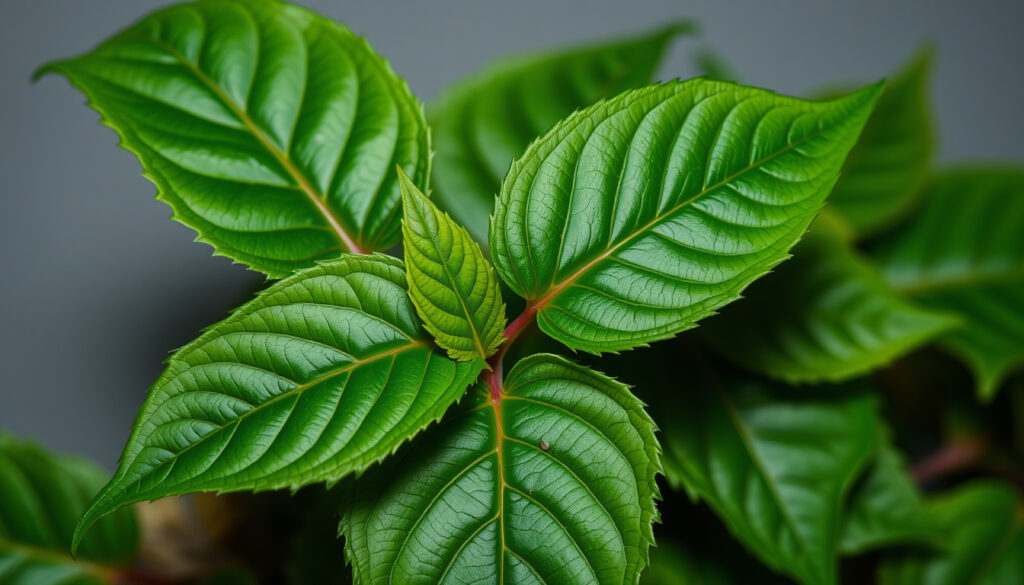
Poison Ivy Rash Pictures: Stages, Treatments & Look-Alikes
There’s a moment of dread when you brush against an unknown plant and feel the first hint of itch. For 50 million Americans each year, that feeling leads to a poison ivy rash, according to the American Academy of Dermatology (the leading U.S. dermatology authority). This guide shows you what the rash looks like at each stage, how to treat it effectively, and how to tell it apart from common look-alikes, all grounded in expert-reviewed evidence.
Annual U.S. cases: 50 million ·
Rash onset time: 12-48 hours after contact ·
Duration typical: 2-3 weeks ·
Plants causing rash: Poison ivy, oak, sumac ·
Active irritant: Urushiol oil
Quick snapshot
- Rash caused by urushiol oil from poison ivy, oak, sumac (American Academy of Dermatology)
- Appears as red bumps, blisters, often in streaks (GoodRx)
- Washing within 30 minutes can prevent rash (WebMD)
- Exact mechanism behind black-spot variant not fully understood (American Academy of Dermatology)
- Why some people react severely and others mildly is not completely explained (American Academy of Dermatology)
- Efficacy of some home remedies (e.g., bleach) unproven and potentially harmful (American Academy of Dermatology)
- Why first-time rashes can last longer than 21 days is not fully understood (American Academy of Dermatology)
- First signs: 12-48 hours after contact (MEDRITE Urgent Care)
- Blisters peak at days 3-7, crust over by days 7-14 (same source)
- Most rashes clear in 2-3 weeks (American Academy of Dermatology)
Six key facts that define this common skin condition:
| Fact | Detail |
|---|---|
| Annual U.S. cases | 50 million |
| Allergen | Urushiol oil, found in all parts of the plant |
| Rash onset | 12-48 hours after contact |
| Duration | 2-3 weeks (untreated) |
| Contagious? | Rash is not contagious; oil can spread before washing |
| Severity factors | Amount of oil, skin sensitivity, prior exposure |
What does a poison ivy rash look like?
Early stage signs
- Redness and mild itching at the contact site (Epic Urgent & Family Care (an urgent care provider))
- Small raised bumps appear, often within 12-48 hours (MEDRITE Urgent Care)
- Linear streaks are a classic clue — urushiol is deposited along the path of plant contact (GoodRx (a pharmacy savings and health information platform))
The early stage is easy to miss. A faint line of pink bumps may be the only sign that you brushed against poison ivy an hour or two earlier. The itching will intensify quickly.
Progression of rash stages
- Days 1-3: Redness, swelling, and itching
- Days 3-7: Blisters form and may ooze clear fluid (Mayo Clinic (a top-ranked academic medical center))
- Days 7-14: Blisters crust over, itching subsides
- Weeks 2-3: Residual dryness or discoloration fades
This timeline is typical for first-time sufferers. Those who have had poison ivy before often see a faster course: the AAD notes a previous rash may last only 1 to 14 days (American Academy of Dermatology).
Black spot rash variant
- Instead of red bumps, black spots or streaks appear on the skin
- Little or no redness or swelling (GoodRx)
- The exact mechanism is not fully understood
Black-spot poison ivy dermatitis is rare but easily mistaken for something else — a bruise, a burn, or even melanoma. If you see black streaks after being in the woods, consider poison ivy.
The linear streak pattern is your strongest visual clue. No other common rash arranges itself in straight lines the way poison ivy does — because the plant dragged across your skin.
What is mistaken for poison ivy rash?
Common look-alikes: eczema, psoriasis, ringworm
- Eczema: Typically appears on flexor surfaces (elbow creases, behind knees) — not in random streaks
- Psoriasis: Silvery scales on plaques, often on elbows, knees, scalp
- Ringworm: Circular, ring-shaped patches with raised edges
The pattern of the rash is the biggest giveaway. Poison ivy follows the path of contact; look-alikes follow different distributions.
Three common rash misdiagnoses, one decisive difference: poison ivy forms streaks; the others form circles or patches.
| Condition | Typical pattern | Key distinguishing feature |
|---|---|---|
| Poison ivy rash | Linear streaks, red bumps, blisters | Follows plant contact path; intense itch |
| Eczema | Flexor surfaces, symmetrical | Chronic, responds to moisturizers |
| Ringworm | Circular rings with central clearing | Fungal, spreads slowly, less itch |
| Psoriasis | Plaques with silvery scales | Autoimmune, often on elbows/knees |
The pattern: poison ivy is the only rash here that forms straight lines because it follows the physical path of plant contact.
Poison oak vs poison ivy vs poison sumac
- Poison oak: Leaves resemble oak leaves, grows as a shrub on the West Coast and Southeast
- Poison ivy: Compound leaves with three leaflets, grows as a vine or ground cover nationwide
- Poison sumac: 7-13 smooth-edged leaflets, grows in wet, swampy areas of the East
All three contain urushiol and produce identical-looking rashes. The difference is in the plant shape, not the skin reaction.
You cannot tell which plant caused the rash by looking at the rash itself. The only way to differentiate is to identify the plant you touched — or know the regional plant profile.
How can I tell if it’s poison ivy?
Identifying features: red bumps, blisters, streaks
- Intense itching is nearly universal (WebMD (a widely used health information site))
- Blisters may ooze clear fluid but are not contagious (Epic Urgent & Family Care)
- Rash only appears on skin that had direct contact with the plant
If you see a linear streak of red bumps and blisters on an arm or leg, and you recall being near vegetation within the past two days, poison ivy is the top suspect.
Using pictures for comparison
- Compare your rash to photos on the AAD website or reputable medical sites
- Note the pattern: poison ivy rarely appears on the palms or soles because the skin is thicker there
- If the rash is symmetrical (e.g., both elbows), it’s more likely eczema
The implication: pattern recognition is your most reliable diagnostic tool — streaks mean poison ivy, symmetry means something else.
What is the best treatment for poison ivy rash?
Immediate steps after exposure
- Wash skin with soap and water within 30 minutes — this removes urushiol before it binds (WebMD)
- If soap and water are not available, alcohol wipes may help remove the oil (WebMD)
- Wash clothing, tools, and pets that may have contacted the plant
At-home remedies
- Cold compresses for immediate itch relief (GoodRx)
- Calamine lotion or hydrocortisone cream to reduce inflammation
- Oral antihistamines (e.g., Zyrtec, Benadryl) for itching
- Oatmeal baths or baking soda paste to dry blisters
When to see a doctor
- Rash covers a large area of the body
- Rash on face, genitals, or inside the mouth
- Severe swelling, especially around eyes
- Signs of infection: pus, fever, increasing redness
- Prescription corticosteroids may be needed for severe cases (Mayo Clinic)
Most poison ivy rashes resolve on their own in 2-3 weeks. But for anyone with extensive exposure or facial involvement, a doctor can prescribe steroids that cut the misery short by days.
What clears up poison ivy rash fast?
- Cold compresses provide immediate relief (GoodRx)
- Baking soda paste (3 parts baking soda to 1 part water) dries blisters
- Prescription steroid creams (e.g., clobetasol) speed healing for localized rashes
- Oral steroids (prednisone) for severe cases — symptoms improve within 24-48 hours
The catch: fast relief usually requires prescription medication — over-the-counter options manage symptoms but don’t accelerate healing significantly.
How long does a poison ivy rash usually last?
- Most rashes last 2-3 weeks (American Academy of Dermatology)
- First-time rash may last 21 days or longer (Healthline (a health information publisher))
- Repeat exposures often result in shorter rashes (1-14 days)
- Scratching can lead to bacterial infection, prolonging healing by weeks
What this means: your healing timeline depends heavily on whether you’ve had poison ivy before — and whether you can resist scratching.
What not to put on poison ivy rash?
- Alcohol or bleach — they delay healing and damage skin (WebMD)
- Antihistamine creams (Benadryl cream) — can cause allergic reactions themselves
- Topical anesthetics with benzocaine — may worsen the rash
- Nail polish remover or hydrogen peroxide — harsh chemicals that slow recovery
Stick to calamine lotion, hydrocortisone, or oatmeal-based products.
What we know and what we don’t
Confirmed facts
- Rash is caused by urushiol oil from poison ivy, oak, and sumac plants (Healthline)
- Rash appears 12-72 hours after exposure
- Washing with soap and water within 30 minutes can prevent rash (WebMD)
- Calamine lotion and oral antihistamines relieve itching (GoodRx)
What’s unclear
- Exact mechanism of black spot rash is not fully understood
- Why some individuals develop severe reactions and others mild is not completely explained
- Efficacy of some home remedies (e.g., bleach) is unproven and may be harmful
- Why first-time rashes can last longer than 21 days is not fully understood
- Prescription corticosteroids treat severe cases effectively, but optimal dosing protocols remain debated
Expert perspectives on poison ivy rash
“Poison ivy rash is caused by an allergic reaction to an oily resin called urushiol. This oil is found in the leaves, stems and roots of poison ivy, poison oak and poison sumac.”
— Mayo Clinic (a top-ranked academic medical center)
“Poison ivy rash typically appears as red, itchy bumps and can develop blisters. The rash often appears where the plant touched the skin and may show linear streaks.”
— GoodRx (a pharmacy savings and health information platform)
“The fluid from poison ivy blisters does not contain urushiol and will not spread the rash. What can spread the rash is residual oil on clothing, tools, or pet fur.”
“Cold compresses, calamine lotion, hydrocortisone cream, baking soda baths, oatmeal baths, and oral antihistamines are commonly recommended symptom-relief measures.”
— WebMD (a widely used health information site)
The pattern is clear: poison ivy is overwhelmingly predictable in its timeline and treatment. For the 50 million Americans who encounter it each year, the key is recognizing it early and treating it correctly. The real danger isn’t the rash itself — it’s mistaking it for something else, or using the wrong remedy. For anyone who spends time outdoors, learning to identify poison ivy’s three-leaf signature and its linear rash pattern is the single best prevention.
To visualize how the rash evolves over time, see our detailed breakdown of poison ivy rash stages with timeline images.
Frequently asked questions
Can poison ivy rash spread to other parts of the body?
No, once the urushiol oil is washed off, the rash cannot spread. New patches that appear days later are due to delayed reactions on areas that had more or thicker oil, not from scratching or blister fluid.
Is poison ivy rash contagious from person to person?
No. The rash itself is not contagious. However, if urushiol oil remains on clothing or skin of one person and touches another person’s skin, that person can develop a rash.
Can you get poison ivy from dead plants?
Yes. Urushiol oil can remain active on dead plant material for up to five years. Burning dead poison ivy can release the oil into smoke, causing severe lung irritation.
Does scratching poison ivy make it worse?
Scratching does not spread the rash, but it can break the skin and introduce bacteria, leading to infection. Itching is best managed with cold compresses and antihistamines.
Can poison ivy rash appear on palms or soles?
It’s rare. The skin on palms and soles is thicker and less permeable to urushiol. When it does appear, the reaction is usually milder.
What should I do if poison ivy gets in my eye?
Flush the eye immediately with cool water for at least 15 minutes. Seek urgent medical care. Do not rub. Eye involvement requires professional evaluation.
How long after touching poison ivy does rash appear?
Most people develop symptoms 12-48 hours after contact. Some may react as quickly as 4 hours or as late as 72 hours, depending on skin thickness and amount of oil.
Related reading
- Is Pink Eye Contagious? — Learn about another common condition that causes eye irritation.
- Does Zyrtec Make You Drowsy? — Understand antihistamines, a key treatment for poison ivy itch.
More related posts
 Jack of All Trades Master of None: Full Quote & Origin
 Liga de Campeones de la UEFA Posiciones – Final 2024/25 Standings
 Coast to Coast AM: Listen Free, Host Info & Show Status (2025)
 Ravens vs Steelers Player Stats: Final Box Score & Game Recap
 USD to Philippine Peso: Current Rate & Practical Guide
 What Is Apollo the God Of? Domains, Powers & Myths
 Ballad of Songbirds and Snakes: Your Biggest Questions Answered
 Symptoms of High Cortisol Levels in Females – Key Signs