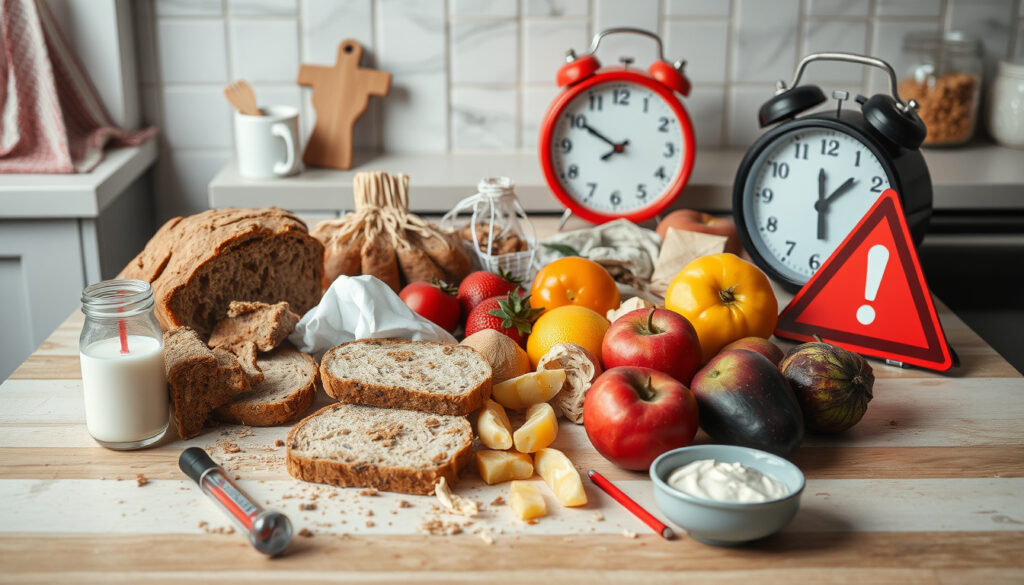
Symptoms of Food Poisoning – Onset, Duration and When to Seek Help
Food poisoning affects millions of people each year, striking unexpectedly after consuming contaminated food or beverages. Understanding the symptoms of food poisoning helps individuals recognize the condition early and take appropriate action. The symptoms range from mild discomfort to severe complications requiring medical intervention.
The effects of foodborne illness vary significantly depending on the causative agent, individual health factors, and the amount of contaminated food consumed. While most cases resolve within days, recognizing warning signs can make the difference between home recovery and hospital care.
What Are the Symptoms of Food Poisoning?
Recognizing the signs of food poisoning involves understanding the typical pattern of gastrointestinal distress that follows consumption of contaminated food. Symptoms often develop rapidly and affect the digestive system first.
Nausea, vomiting, diarrhea, and stomach cramps
1 to 48 hours after consuming contaminated food
12 hours to 7 days depending on pathogen
Blood in stool, high fever, or dehydration develops
Beyond the core gastrointestinal symptoms, additional manifestations include headache, loss of appetite, general weakness, aching muscles, and chills. These symptoms reflect the body’s systemic response to fighting the infection.
Key facts about food poisoning include:
- Approximately 48 million Americans contract foodborne illnesses annually
- Bacterial pathogens cause different symptom patterns than viral infections
- Children, pregnant women, older adults, and immunocompromised individuals face higher risks
- Symptom severity correlates with the amount of contaminated food consumed
- Laboratory testing remains the only definitive way to identify the specific pathogen
| Symptom | Frequency | Typical Severity |
|---|---|---|
| Nausea | Very common | Mild to moderate |
| Vomiting | Common | Mild to moderate |
| Diarrhea | Very common | Mild to severe |
| Stomach cramps | Common | Mild to severe |
| Fever | Sometimes present | Mild to high |
| Headache | Sometimes present | Mild |
| Muscle aches | Less common | Mild to moderate |
| Nervous system symptoms | Rare | Severe |
How Long Do Food Poisoning Symptoms Last and When Do They Start?
The timeline of food poisoning follows a predictable pattern, though the exact timing depends largely on the specific pathogen involved. Understanding when symptoms begin helps distinguish food poisoning from other gastrointestinal conditions.
When Do Symptoms First Appear?
Most cases of food poisoning trigger symptoms within one to two days of eating contaminated food. However, the onset window can range from as little as 30 minutes to as long as several weeks, depending on the causative organism.
Pathogen-specific onset periods:
- Staphylococcus aureus: 30 minutes to 8 hours
- Vibrio: Within 24 hours
- Clostridium perfringens: 6 to 24 hours
- Salmonella: 6 hours to 6 days
- Norovirus: 12 to 48 hours
- Clostridium botulinum (botulism): 18 to 36 hours
- Campylobacter: 2 to 5 days
- Cyclospora: Approximately 1 week
The incubation period helps healthcare providers narrow down potential causes. If symptoms appear within hours, bacterial toxins from Staphylococcus aureus or Clostridium perfringens often serve as the source.
How Long Do Symptoms Persist?
For most people, symptoms resolve within 12 to 48 hours. The overall food poisoning timeline tends to be shorter than many other common illnesses, with most cases improving within a week even without specific treatment.
Certain factors influence recovery duration, including the individual’s age, immune system function, and whether the pathogen has caused any complications. Dehydration from vomiting and diarrhea can extend discomfort if fluid intake does not keep pace with losses.
Can Food Poisoning Symptoms Come and Go?
Symptoms often fluctuate in waves, particularly with pathogens like norovirus. Waves of nausea, vomiting, and diarrhea may recur as the body attempts to eliminate the contaminant. This cyclical pattern typically follows the digestive tract’s efforts to clear the infection.
Nervous system involvement, including blurred vision, muscle weakness, or tingling sensations, requires urgent medical evaluation. These signs suggest certain serious conditions such as botulism or Listeria infection.
What Causes Food Poisoning?
Food poisoning results from consuming food contaminated with harmful microorganisms or their toxins. Bacteria, viruses, parasites, and prions can all trigger foodborne illness, though bacterial and viral sources account for the majority of cases.
Bacterial Pathogens and Their Sources
According to the Centers for Disease Control and Prevention, several bacteria commonly cause food poisoning:
- Salmonella spreads through raw or undercooked poultry, eggs, unpasteurized dairy, and contaminated produce
- Staphylococcus aureus contaminates foods that remain uncooked after handling, including sliced meats and pastries
- Norovirus transfers through leafy greens, fresh fruits, shellfish, contaminated water, and infected individuals
- Campylobacter lurks in raw poultry, unpasteurized milk, and contaminated water sources
- E. coli contaminates undercooked ground beef, raw produce, and water supplies
- Vibrio appears in raw or undercooked shellfish, particularly oysters
- Listeria grows in foods requiring refrigeration, posing special risks during cold storage
Understanding Transmission Routes
Contamination occurs through improper food handling, inadequate cooking temperatures, cross-contamination between raw and prepared foods, and consumption of products stored at unsafe temperatures. Food safety practices address each of these transmission routes.
Pregnant women, newborns, older adults, and people with weakened immune systems face increased vulnerability to certain pathogens, particularly Listeria and Salmonella. These populations should exercise particular caution with high-risk foods.
How to Treat Food Poisoning and When to Seek Medical Help
Most individuals with food poisoning experience mild symptoms and recover without professional treatment. The Mayo Clinic notes that home care focuses on rest and fluid replacement to prevent dehydration.
Home Treatment Approaches
Staying hydrated ranks as the most important self-care measure. Water, clear broths, and electrolyte solutions help replace fluids lost through vomiting and diarrhea. Avoiding solid food until vomiting subsides allows the digestive system to settle.
Once symptoms improve, bland foods like toast, rice, bananas, and applesauce can provide nourishment without irritating the stomach. Caffeine and alcohol should be avoided until full recovery.
Sip fluids slowly rather than drinking large amounts at once, as this approach reduces the likelihood of triggering additional vomiting.
Signs Requiring Medical Attention
Certain symptoms indicate the need for professional medical evaluation. Healthcare providers recommend seeking medical help when experiencing:
- Bloody stool or diarrhea persisting beyond three days
- Fever exceeding 102°F (39.4°C)
- Inability to retain any liquids due to persistent vomiting
- Reduced urination, dry mouth, dizziness, or lightheadedness indicating dehydration
- Nervous system symptoms such as blurry vision, muscle weakness, or skin tingling
- Confusion or changes in behavior or thinking
Medical Interventions
Healthcare providers may recommend laboratory testing to identify the specific pathogen in severe cases. Treatment beyond supportive care depends on the identified cause. Antibiotics help certain bacterial infections, though they are not appropriate for all food poisoning types. If you’re experiencing these symptoms, it’s important to seek medical attention, and you can find more information about food poisoning at $mattress shop near me.
High-risk groups including young children, pregnant women, older adults, and immunocompromised individuals should contact healthcare providers early, even with moderate symptoms, to prevent complications.
Food Poisoning Symptoms in Special Populations
Certain groups experience food poisoning differently and face elevated risks of complications. Age and health status significantly influence both symptom presentation and recovery outcomes.
Symptoms in Infants and Young Children
Young children cannot communicate their symptoms clearly, making observation essential. Caregivers should watch for decreased wet diapers, crying without tears, sunken eyes, unusual drowsiness, and refusal to eat or drink. These signs indicate the need for prompt pediatric evaluation.
Vulnerable Adult Populations
Older adults may not develop typical fever responses while experiencing serious infections. Confusion or sudden changes in mental status sometimes represent the earliest warning signs of food poisoning in elderly individuals. Immune system variations across different populations affect both susceptibility and symptom severity.
Pregnancy Considerations
Pregnant women face particular risks from Listeria, which can affect the developing fetus. Any symptoms during pregnancy warrant discussion with a healthcare provider, as certain food poisoning types require specific monitoring or treatment to protect both mother and baby.
Distinguishing Food Poisoning from Other Illnesses
Differentiating food poisoning from viral gastroenteritis and other conditions helps guide appropriate care decisions. While symptom overlap exists, several factors help distinguish these conditions.
| Feature | Food Poisoning | Viral Stomach Flu |
|---|---|---|
| Onset | Typically rapid, tied to meal consumption | More gradual, may follow respiratory illness |
| Primary symptoms | Nausea, vomiting, diarrhea, cramps | Watery diarrhea, mild nausea |
| Duration | Usually 12-48 hours for most pathogens | Often 1-3 days |
| Fever | More common with bacterial causes | Less common |
| Transmission | Food or contaminated water source | Person-to-person spread common |
What Experts Say About Food Poisoning
Medical professionals emphasize that food poisoning remains largely preventable through proper food handling and cooking practices. The Food and Drug Administration maintains that four basic steps guide food safety: clean, separate, cook, and chill.
Most cases of food poisoning improve on their own within a week. Staying hydrated and resting support the body’s natural recovery process.
— Cleveland Clinic Health Library
Preventing foodborne illness requires attention throughout the food preparation and storage process. The World Health Organization identifies handwashing, separating raw meats from ready-to-eat foods, cooking to safe temperatures, and maintaining proper refrigeration as fundamental prevention measures.
Summary
Recognizing the symptoms of food poisoning empowers individuals to respond appropriately when contamination occurs. The most common indicators include nausea, vomiting, diarrhea, and stomach cramps, often accompanied by fever and general weakness. Symptoms typically appear within one to two days and resolve within a week for most pathogens, though individual timelines vary based on the specific causative agent.
While mild cases respond well to home care focused on hydration and rest, certain symptoms warrant immediate medical attention. Bloody diarrhea, persistent vomiting, high fever, signs of dehydration, and nervous system involvement all require professional evaluation. Maintaining proper food safety practices remains the most effective strategy for preventing foodborne illness.
Understanding nutritional support for recovery and knowing when professional care becomes necessary helps individuals navigate food poisoning episodes with confidence.
Frequently Asked Questions
What is the difference between food poisoning and stomach flu?
Food poisoning results from consuming contaminated food and typically begins rapidly after eating. Viral gastroenteritis, often called stomach flu, spreads person-to-person and develops more gradually, sometimes following respiratory symptoms.
Can food poisoning symptoms come and go?
Yes, symptoms often fluctuate in waves as the body continues eliminating the contaminant. This cyclical pattern commonly occurs with norovirus and similar pathogens.
How long after eating do symptoms of food poisoning start?
Symptoms may begin within 30 minutes for some bacterial toxins or take up to several weeks depending on the pathogen. Most cases show onset within 1 to 2 days of consuming contaminated food.
Should I take anti-diarrhea medication for food poisoning?
Consult a healthcare provider before using anti-diarrhea medications. These products may slow the body’s elimination of harmful pathogens and toxins, potentially extending the illness.
When should I go to the emergency room for food poisoning?
Seek emergency care for bloody diarrhea, high fever above 102°F, inability to keep fluids down, signs of severe dehydration, or nervous system symptoms like blurred vision or muscle weakness.
Can I get food poisoning from reheating food?
Reheating to proper temperatures can eliminate some bacteria, but toxins produced by certain pathogens before reheating may remain dangerous. Food safety practices during storage and initial cooking provide the best protection.
How do I know if I have Salmonella food poisoning?
Salmonella typically causes diarrhea, fever, and abdominal cramps within 6 hours to 6 days of exposure. Laboratory testing confirms the diagnosis, as symptoms overlap with many other causes of gastroenteritis.
More related posts
 Poison Ivy Rash Pictures: Stages, Treatments & Look-Alikes
 How Much Does It Cost to Charge a Tesla – 2026 Costs by Model
 Easy Portuguese Recipes at Home: Quick Dinners & Desserts
 Chicken and Rice Casserole – No Pre-Cooking Needed
 Dyson Supersonic Hair Dryer – Complete 2025 Guide
 Pitch Black vs Riddick: Review, Box Office & Vin Diesel’s Age
 Free Reverse Phone Lookup: Identify Callers Without Paying
 His and Hers Cast: Tessa Thompson, Jon Bernthal Guide